
BLOGS > OCTOBER 21, 2026
BY FOLLETT CONTENT
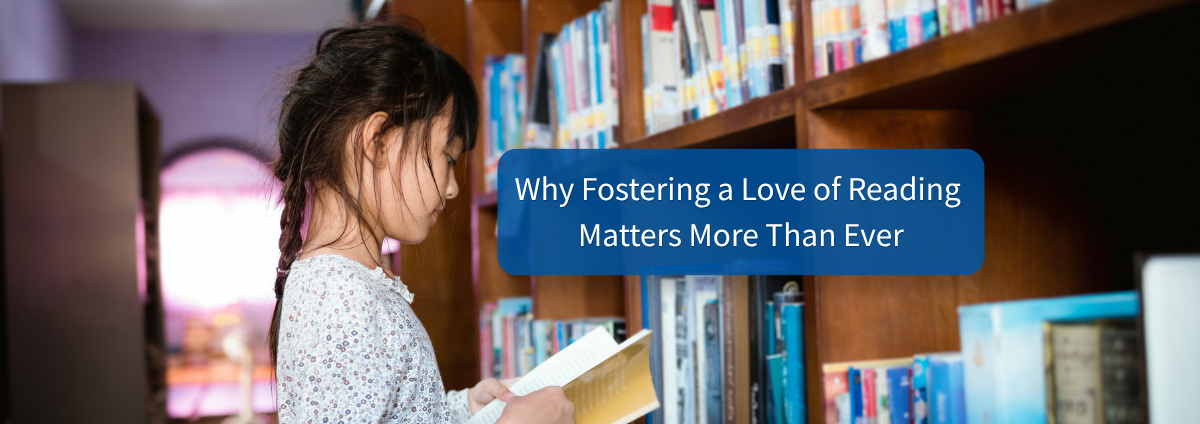
Public libraries have always played an important role in helping people discover books, ideas, and new perspectives. Today, that role is more important than ever.
As children and teens face increasing competition for their attention from social media, streaming content, gaming, and other forms of entertainment, reading for pleasure has become less frequent for many young people. At the same time, research continues to demonstrate the connection between reading engagement, literacy development, academic success, and lifelong learning.
Public libraries occupy a unique position within their communities. Unlike schools, libraries offer opportunities for reading without requirements, assessments, or grades. Readers can explore topics solely because they’re interested, curious, or inspired.
That freedom gives public libraries tremendous potential to help foster a love of reading and inspire the next generation of readers.
Many young readers associate books with school assignments and required reading. While those experiences are valuable, they can sometimes overshadow reading as a leisure activity.
Public libraries offer something different.
Children and teens can browse shelves, discover new authors, explore unfamiliar genres, and abandon books that aren’t a good fit without worrying about a grade.
This emphasis on choice is one of the most effective ways to increase reading engagement. When readers are free to pursue their interests, they’re more likely to develop positive reading habits that extend beyond childhood.
Whether a reader’s interest lies in graphic novels, fantasy, mysteries, manga, sports, science, or history, choice creates opportunities for meaningful connections with books.
One of the most effective ways to encourage reading is to ensure young people can find books they genuinely want to read.
Today’s readers often gravitate toward:
Rather than viewing these categories as alternatives to traditional reading, successful libraries recognize them as valuable entry points.
Many avid lifelong readers began with books that simply captured their interest at the right time. By continuously evaluating circulation trends, patron requests, hold lists, and community interests, libraries can build collections that remain relevant and responsive to changing reader preferences.
Strong public library collection development begins with understanding the community and evolving alongside it.
Even the best collection can only make an impact if readers can find it. Helping patrons discover books is often just as important as acquiring them.
Libraries can encourage reader discovery through:
Many readers enter the library without a specific title in mind. Strategic displays and recommendations can help transform casual browsing into meaningful reading engagement.
And every successful recommendation has the potential to create a new reader!
Although reading is often viewed as a solitary activity, many people discover books through social connections. Public library reading programs create opportunities for readers to share experiences, discuss books, and build relationships around reading.
Examples include:
These programs reinforce the idea that reading is not simply an educational activity. It’s also a source of connection, entertainment, and lifelong learning.
They can be especially effective for engaging reluctant readers who may not initially see themselves as “book people.”
Helping young people become lifelong readers cannot be accomplished by schools or libraries alone. The strongest literacy ecosystems often emerge when schools and public libraries work together.
Partnership opportunities may include:
These partnerships help ensure students continue to have access to books and reading opportunities throughout the year, not just during the school day.
When schools and libraries align their efforts, communities can create stronger support systems for reading development.
Parents and caregivers play an important role in developing reading habits. Public libraries can help families build those habits by providing resources and guidance that make reading approachable and accessible.
Examples include:
The goal isn’t to add more responsibilities to busy families. Instead, it’s to make reading a natural and enjoyable part of everyday life. Small, consistent reading experiences often have a lasting impact.
Public libraries have always been more than places to borrow books. They’re places where curiosity is encouraged, interests are explored, and readers are created.
At a time when many children and teens are reading less frequently for pleasure, libraries have an extraordinary opportunity to lead. Through thoughtful collection development, engaging reading programs, effective reader discovery strategies, and strong community partnerships, public libraries can help foster a love of reading for generations to come!
Because every lifelong reader starts somewhere and often, that journey begins at the library.
See how Follett Content can help your public library inspire a new generation of readers.
Sources
A Place for Every Reader: Supporting Literacy in NYC School Libraries
October 29, 2026
Help NYC students discover books they want to read. Explore practical ways to build school library collections that support student choice, access, and literacy.
Read more
tonies + Book Bundles for Libraries: Play, Print, and Early Literacy
October 22, 2026
How do you get a three-year-old excited about books when a screen is always within reach? Pair the stories kids already love with the print books that tell them.
Read more
Book Picks for Fall: The Two Bs' Top 15 (Plus a Few Bonus Books)
October 22, 2026
Laurie Bolt and Claire Bremner, Follett Content sales consultants and former school librarians in Virginia, read stacks of new releases every season and text each other about the ones they can't put down. In this blog post, they shared their...
Read more
An Author Interview with Doreen Cronin
October 22, 2026
Follett Content caught up with author Doreen Cronin to talk about her new book, her beloved characters, and how she finally found the nerve to drive through a car wash.
Read more
October 22, 2026
Introducing a new blog series from teacher librarian, international speaker, consultant and author Shannon McClintock Miller.
Read more
Library Spaces That Work for Every Student: Ideas from Shannon McClintock Miller
October 22, 2026
This fall, district teacher librarian Shannon McClintock Miller opened a brand-new library and walked us through how she designed it, and shared low-cost ideas that work in any space, new or not.
Read more