Books and Services for Public Libraries
Books Patrons Want.
On Time. As Promised.
Follett Content helps public libraries quickly deliver the titles their communities want – with deep inventory, shelf-ready processing, durable FollettBound® editions built to last, and responsive support from a time-tested and trusted library partner.
Public Librarians
Love Follett Content!
Don't just take our word for it!
Librarians share their insights after visiting Follett Content.
OUR PROMISE
Providing reliability, speed, and confidence
Order the way your library already works, for readers of every age.
SERVICE QUALITY MATTERS
When vendors can't fulfill expectations...
Your community feels it.
Library teams are juggling more than ever: keeping the collection strong, serving patrons, watching the budget, and maintaining programming. Meanwhile, vendor capacity, fulfillment, and service quality are in flux.
Reliable fulfillment takes that worry off your plate. Orders arrive as expected, patrons stay happy, staff stay productive, budgets stay on track, and your library keeps the community's trust.
SERVICE QUALITY GUARANTEED
Follett Content delivers
One partner for books, fulfillment, and the work beyond the shelves.
Books that arrive on time and as promised, workflows that run quietly in the background, and shelves stocked with what your community wants, when they want it – so your team can stop chasing vendors and get back to serving readers.
THE FOLLETT DIFFERENCE
Trusted by Schools and Libraries for 150 years
3.7 million+ In-Stock Print Books
98% Fulfillment Rate
18,000+ Publishers and Partners
50,000+ Items Processed Daily
5-Day Shipping
HOW IT WORKS
Guided from onboarding to set-up and beyond
Follett Content pairs your library with a dedicated Customer Success Manager who captures your requirements, configures your account, coordinates behind-the-scenes setup, and stays with you after launch.
Find out what your timeline could look like.
Librarians are talking
Melanie Weigel, Forsyth Public Library Director
Like many public libraries, we suddenly found ourselves needing to replace a longtime book vendor. Having worked with Follett Content as a school librarian, I knew they’d be a solid option...answering every question and setting our custom processing setup in just one day.”
Angelica Masser, Head of Youth Services, Pottstown Regional Public Library
We've been loving working with you and Follett! Ordering is super easy and seamless, and all of our books are shipped out very quickly. We also enjoy the quality of your products — the books last much longer than our previous vendors!”
Rachel Harrison, Library Director, Mendham Township Library (NJ)
We were happy to receive popular adult fiction books 10 days prior to the street date which gives us ample time to process them and have them ready for our patrons to borrow. It has been a long time since we received books before the street date, so we are very happy, and our patrons will be happy, too!
Maddie Kizer, Children's Librarian, Woodstock Public Library (IL)
Follett Content is a dream to work with. The customer service is fantastic, and they are committed to bringing excellent content to schools and public libraries.
Janette Noe, Collections Manager, Martin County Library System (FL)
We are delighted with the turnaround time on our orders and the ease of working with you during onboarding. We are seeing commitment to provide solid customer service, adapt to your new customer base, and we look forward to working with you!
INTEGRATIONS THAT FIT YOUR WORKFLOW
Technology that meets you where you work
Follett Content integrations that fit into how your library already orders, so your team saves time.
Select an option to display its media.
ILS Integrations via EDI to Fit Your Workflow
Polaris, Sierra, SirsiDynix, Koha

SERVICES
Shelf-ready to your exact specifications
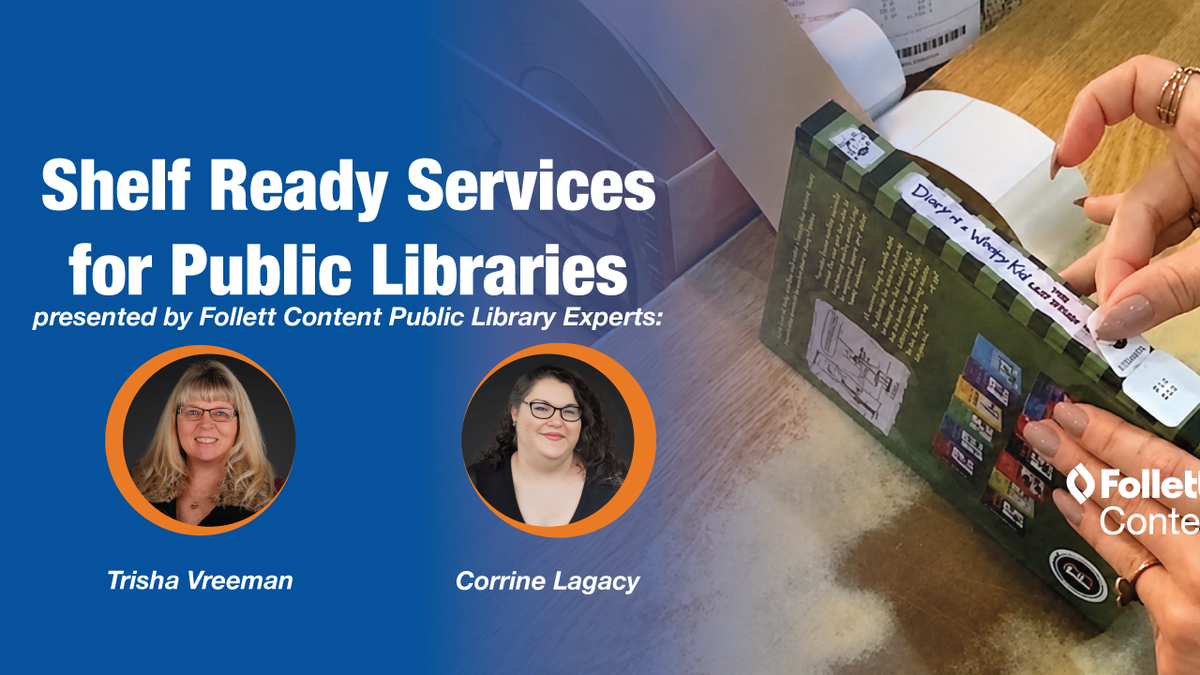
You need books that go straight from the box to the shelf. Follett Content offers full MARC records matched to your ILS, custom labels, protective coverings, and RFID – all cataloged and processed to your specifications and delivered ready to circulate.
SHOP BY COLLECTION
Titles and collections for every reader you serve
From new releases to durable rebinds and early learning bundles, explore the products that keep your shelves full and your community reading.
Follett Street Date Program
Get the most anticipated adult fiction and nonfiction on your shelves by the publisher's release date.
Adult Titles
A deep catalog of adult fiction and nonfiction your patrons are asking for.
Youth Collections
Expertly curated titles for children and teens, to engage young readers at every stage.
tonies® + Book Bundles
Best-selling Tonies characters paired with books to support early learning and screen-free listening.
FollettBound®
Durable, high-quality rebinds built to survive heavy circulation and stay on the shelf longer.
RESOURCES AND INSIGHTS
Public library resources
Insights, tools, and updates to help your library stay a step ahead and serve its community better.
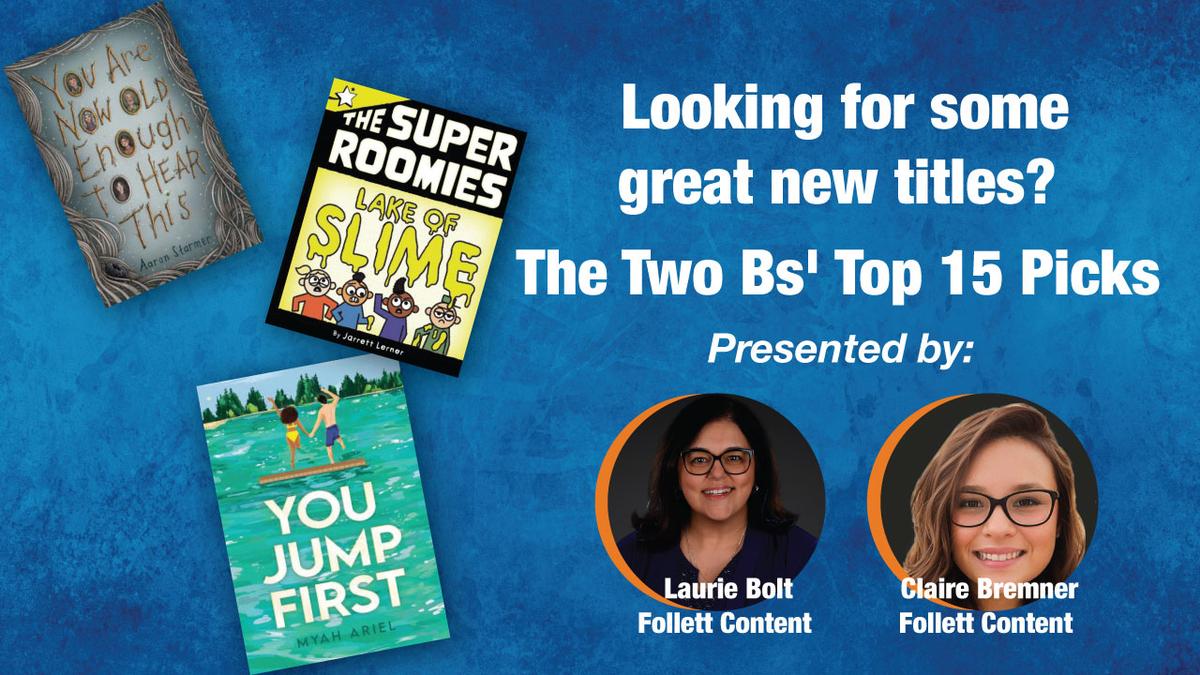

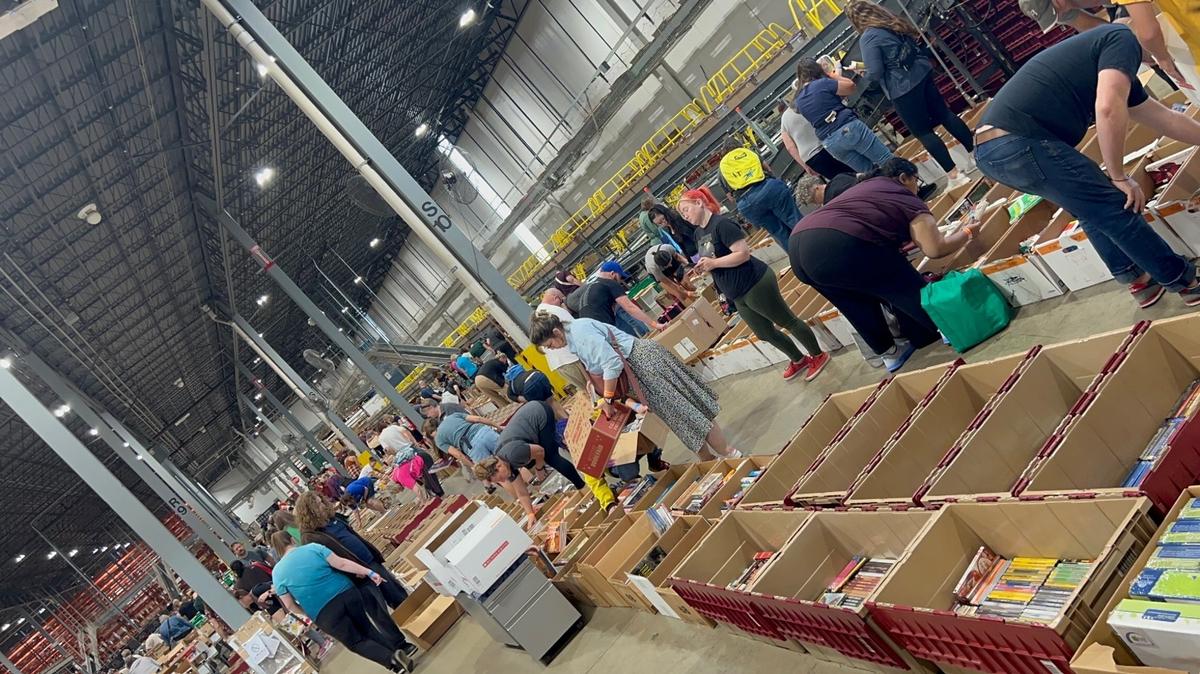
Follett Content Invites Community to Annual Public Book Sale Benefiting McHenry County Children Through Dolly Parton's Imagination Library
09/14/2026
Search, Curate, and Order Smarter: Titlewave 101 for Public Libraries
Grid ordering, EDI, curated lists, and street date delivery – how public libraries put the free Titlewave platform to work every week.
09/04/2026

Six Fall Releases Patrons Are Asking For
Up to 25% off if preordered during the sale period.
09/03/2026

Enter the FlutterBee Fall Book Giveaway from Follett Content!
Enter the FlutterBee Fall Book Giveaway for a chance to win one of three seasonal book bundles curated for young readers – 15 titles selected to generate excitement and increase engagement this fall.
09/01/2026
CONTACT US
We'd love to hear from you
We’re excited to partner with public libraries like yours to support librarians and communities by offering diverse content for patrons of all ages.
Have questions or need help getting started? Fill out the form and a member of our team will reach out to explore how we can support your goals.
Public Library Experience, Built In.
Meet some of the people who know your world, backed by the full Follett Content team.
Alisa Brown
Customer Success
Tam Crumley
Customer Success
Vicki Doherty
Customer Success
Marie Franklin
Customer Success
Fred Harvey
Regional Sales
Jean Johnson
Business Development
Corrine Lagacy
Custom Library Services
Trisha Vreeman
Custom Library Services
PUBLIC LIBRARY FAQQuestions public libraries
Questions public libraries
are asking
Whether you're comparing vendors, placing your first order, or looking to get more from your current setup, here are straightforward answers to what public libraries ask most, from cataloging and fulfillment to durability, collections, and support.
Public library technical services teams can reduce processing time by standardizing cataloging profiles, using shelf-ready workflows, applying consistent barcode and label specifications, batching repetitive tasks, and automating record loading where possible. Clear vendor instructions, documented local practices, and quality checks help materials move from order to circulation faster.
Shelf-ready books are materials that arrive prepared for circulation according to a library’s specifications. This may include MARC records, barcodes, spine labels, genre labels, property stamps, RFID tags, protective covers, branch labels, and other processing services that reduce staff handling before items reach patrons.
A public library processing profile should include barcode placement, spine label format, call number rules, branch codes, collection codes, item types, genre labels, property labels, RFID requirements, protective covering preferences, MARC record specifications, and any local cataloging practices needed for consistent item setup.
Public libraries improve catalog record quality by using accurate MARC records, consistent subject headings, authority control, complete series information, correct audience levels, clear format details, and local fields that support discovery. Regular review and cleanup help patrons find materials more easily in the catalog.
MARC records are structured bibliographic records used by library catalogs to describe books and other materials. They help patrons and staff search by title, author, subject, series, format, ISBN, audience, publication data, and classification information.
Accurate MARC records improve search results, browsing, holds, reporting, and staff workflows. When records include complete and consistent information, patrons are more likely to find the right title, format, series, subject, or age-level material in the library catalog.
Public libraries can streamline acquisitions by using centralized selection lists, purchase order templates, budget codes, approval workflows, EDI ordering when supported, standardized invoicing, collection development calendars, and clear communication between selectors, acquisitions staff, catalogers, and administrators.
Centralized purchasing is a model where ordering, budgeting, invoicing, cataloging, and processing decisions are coordinated across a library system. It can reduce duplicate work, improve consistency, support better reporting, and help administrators manage collection spending across branches.
Libraries can manage multi-branch ordering by using branch-level budgets, collection codes, demand data, holds reports, selector assignments, centralized ordering tools, and clear delivery instructions. Strong workflows help balance systemwide consistency with local community needs.
Administrators should consider title availability, pricing, fulfillment reliability, cataloging quality, shelf-ready processing, invoicing options, customer service, reporting, standing order capabilities, technical services support, and whether workflows can match the library’s local requirements.
Public libraries can reduce backlogs by prioritizing high-demand materials, standardizing processing rules, using shelf-ready services, batching similar work, reviewing staffing bottlenecks, automating record imports, and creating exception workflows for items that require special cataloging.
Common delays include incomplete records, unclear processing specifications, manual labeling, invoice issues, branch assignment errors, cataloging exceptions, damaged shipments, staffing shortages, and lack of standardized workflows between acquisitions, cataloging, processing, and circulation teams.
Libraries can move new releases faster by planning preorders, monitoring publication dates, using standing order plans, streamlining cataloging, applying shelf-ready processing, prioritizing high-demand titles, and preparing holds and branch allocations before materials arrive.
A standing order plan automatically supplies selected materials based on library-defined criteria, such as popular authors, series, genres, age levels, formats, or subject areas. Standing orders can save staff time and help libraries avoid missing important new releases.
Public libraries manage holds-driven purchasing by monitoring holds-per-copy ratios, patron demand, wait times, publication dates, and branch-level usage. This data helps libraries decide when to buy additional copies, redistribute materials, or adjust purchasing priorities.
Administrators should review circulation, holds, turnover rates, collection age, patron requests, demographic data, branch-level demand, budget usage, program goals, digital versus print trends, and community feedback. These data points help align spending with actual patron needs.
Libraries can improve collection equity by comparing branch demographics, circulation patterns, collection age, language needs, holds, school partnerships, transportation barriers, and local demand. Equitable planning helps ensure patrons across locations have access to relevant and current materials.
Outsourcing cataloging and processing can reduce staff workload, speed up time to shelf, improve consistency, support large orders, reduce backlogs, and help technical services teams focus on higher-value work such as quality control, local customization, and special collections.
Libraries should ask whether records and processing can match local specifications, including MARC fields, item records, call numbers, barcodes, branch codes, collection codes, genre labels, RFID tags, protective covers, and delivery requirements. Clear expectations reduce rework.
Libraries can standardize cataloging by documenting local practices, using shared templates, applying consistent call number rules, maintaining authority control, defining collection codes, training staff, and reviewing exceptions regularly. Standardization improves discovery and operational consistency.
A bibliographic record describes the title itself, including author, publisher, subject, format, ISBN, and classification. An item record describes a specific physical copy, including barcode, branch, location, status, price, item type, and circulation rules.
Libraries handle series information by ensuring records include consistent series titles, volume numbers, author details, and searchable fields. Accurate series data helps patrons find the next book in order and improves staff support for readers’ advisory.
Libraries can improve search by using accurate audience levels, subject headings, genre terms, series data, reading level information when appropriate, format labels, and clear collection codes. Good metadata helps families, educators, teens, and staff find age-appropriate materials.
Best practices include consistent spine label placement, readable fonts, durable label stock, clear genre or collection labels, accurate branch or location labels, and placement that does not cover important cover text. Consistency helps staff shelve materials and patrons browse.
Libraries should consider patron browsing behavior, staff capacity, collection size, age group, reporting needs, catalog consistency, and local service goals. Dewey supports standardized classification, while genre shelving and local systems may improve browsing in certain collections.
Libraries can improve invoice and purchase order workflows by using consistent budget codes, clear approval steps, consolidated billing, electronic invoices when available, order tracking, and reconciliation procedures that connect acquisitions, finance, and administration.
Common specifications include MARC record requirements, barcode symbology and placement, spine label format, item type, branch code, collection code, call number rules, RFID tagging, property labels, dust jacket covers, genre labels, and packing or sorting instructions.
Libraries should define goals, budget, timeline, selection criteria, weeding approach, cataloging needs, processing requirements, delivery logistics, staffing capacity, and communication plans. Large refresh projects work best when acquisitions, technical services, branch staff, and administrators align early.
Libraries can balance speed and quality by standardizing routine workflows, automating repetitive tasks, outsourcing predictable processing, prioritizing high-demand materials, and reserving staff review for exceptions. Quality control checkpoints help prevent cataloging and processing errors from reaching circulation.
Leaders should ask what problems need solving, which teams are affected, how data will move between systems, what training is needed, how vendors will receive specifications, how success will be measured, and whether the new workflow improves speed, accuracy, cost control, or patron access.