
BLOGS > OCTOBER 30, 2024
BY DR. NIKI WOODRUFF

Stimulate reading investment for your students by generating a community of readers!
For many middle school and high school teachers, acquiring designated time for independent choice reading is challenging (see my Literacy on Fire blog post for tips), so inserting a school library visit and/or a collaboration session with the librarian into the already slim instructional availability feels especially daunting. Yet, if our goal as English Language Arts educators is to inspire a love of reading and literature with young people, then a necessary shift must occur.
Developing a powerful partnership with your school librarian will reinforce your expectations for student reading on a regular basis, support student self-selected choices as much as possible, and explicitly instruct students on how to access the school library with all its treasures. Successfully latch on to some literacy loot when you collaborate within the school community.
Teachers should first reach out to the librarian to determine a weekly or biweekly time to visit. This rendezvous doesn’t have to be a significant chunk of class time and can also serve as a mini-collaborative session. Most of the “planning” the librarian and I have conducted thus far were in short face-to-face moments during our class visits to the Learning Resource Center (LRC) or around the copy machine. My four sections of eighth grade ELA last for 50 minutes each, so once a week every section visits the LRC for 20 minutes at the end of our class period. Our visit usually consists of checking out a book and time to read, discussing a book with a neighbor, or using the library space for work completion.
Your first library voyage should establish expectations for students such as where students are allowed to sit, how many books can be checked out, what volume is acceptable for what activities, and how to self-select books. Establishing these procedures collaboratively with the librarian will ensure consistency.
To know what books to read, students need a steady flow of book talks, strategies for previewing texts, and a way to diversify their reading diet. This translates into making sure the classroom teacher and librarian join forces by supplying these experiences. While our LRC director shared expectations and introduced various strategies, she sprinkled in book talks to help boost the buzz of excitement.
Where do students keep track of all these ideas? Well, one tool I’ve found, whether electronic or hard copy, is the Someday List. This resource helps students keep track of what reading options they’d like to invest in and can be referred to while checking out books or thinking about previously enjoyed book selections.
Often, entering middle school means developing more interests and exploring opportunities in new areas, so students may be unsure about what to read. Check out this starter list in Titlewave®. Integrating engaging book talks with book trailers or author spotlights can complement content subject matter as well as extend reading when one author particularly piques a student’s or class's interest. Once a book is finished, the list assists in keeping forward momentum and provides options even when a student abandons a book. Whenever a student reports finishing a book, I immediately congratulate them and inquire about their next read.
For my ELA classes, in addition to in-class reading time, students are responsible for reading 10 pages a day from a self-selected independent choice book. Since there are increasing demands on students’ time, they’re allowed to skip one out of the five days, so ultimately, students are reading 40 pages a week.
To hold them accountable, I collect reading status which usually takes five minutes and provides reflection on their reading habits in a mini-conference as needed. Additionally, in the LRC and in class, we hold book competitions simultaneously. (Caution: Monitor reading to be on the lookout for fake reading!) Students are allowed to double-dip by getting credit in class for their completed books as well as competing and earning prizes in the library. Currently, our librarian is hosting “Red Carpet Reads,” while, in class, students put the title and author on a colored slip to add to their class period’s reading chain. A celebration can be redeemed every quarter, trimester, or semester for the group with the most finished books.
Once students are invested, the librarian can support the idea of developing a balanced reading diet. As experienced readers, we’re aware of the need for fluff and relaxing books to balance the books that push and challenge us to grow. Often, ELA teachers encounter students reading only books from the Diary of a Wimpy Kid series. To prevent our students from abandoning reading altogether, we need to carefully navigate these choices to avoid readicide (Gallagher, 2009); therefore, lean into these gateway texts.
Assist students in discovering similar books, yet gently lead them toward increasingly complex stories with characters and plots just as engaging. Whether their choices are graphic novels or verse novels, if students know their first selections are validated, then they’re more willing to accept book recommendations from educators. Furthermore, teaching students to use resources on their own empowers them and increases the likelihood that they follow through with reading the texts.
Our school librarian demonstrates and guides students using Follett Destiny Discover®, which highlights frequently checked out books called “Popular Titles” as well as “Recently Added Books” and allows students to look at their checkout history. In addition, Follett Content offers Titlewave book lists like this one with my picks for students to peruse based on cultivated titles chosen by teachers and librarians. While Goodreads is for older ages, our librarian refers students to this website to aid in identifying connections between previously read and enjoyed books to future titles.
Our next venture entails an activity I previously experienced with another librarian colleague: a musical chairs preview that doesn’t eliminate anyone.
Students walk around a circle of chairs with a carefully selected text on each seat. When the music stops, the librarian describes one strategy for previewing a text to determine if it’s a good fit for the reader. As each new round is played, another strategy is added. Some of those strategies include the following:
Developing self-sufficient lifelong readers isn’t a mission that can be accomplished alone. As educators, we need a reading community for this task. We can’t lose track of the importance of actually reading. All the skill work in the world will not be beneficial if students don’t have the opportunity to apply their learning to authentic choice reading. You may feel alone away from the conformity of the other teachers, but in reality, if there’s no risk, there’s no reward. Despite what curricular demands require, enlist in a powerful partnership with your school librarian and discover the revenue of revitalized readers. Your investment will yield a priceless and precious payoff.
Special thanks to my personal powerful partners: Tamra Ashby and Diana Wolf.
Here’s an additional Titlewave list featuring these titles I’ve used in my class:
ABOUT THE AUTHOR: Dr. Niki Woodruff, Eighth Grade ELA Teacher, Batavia School District 101, Illinois
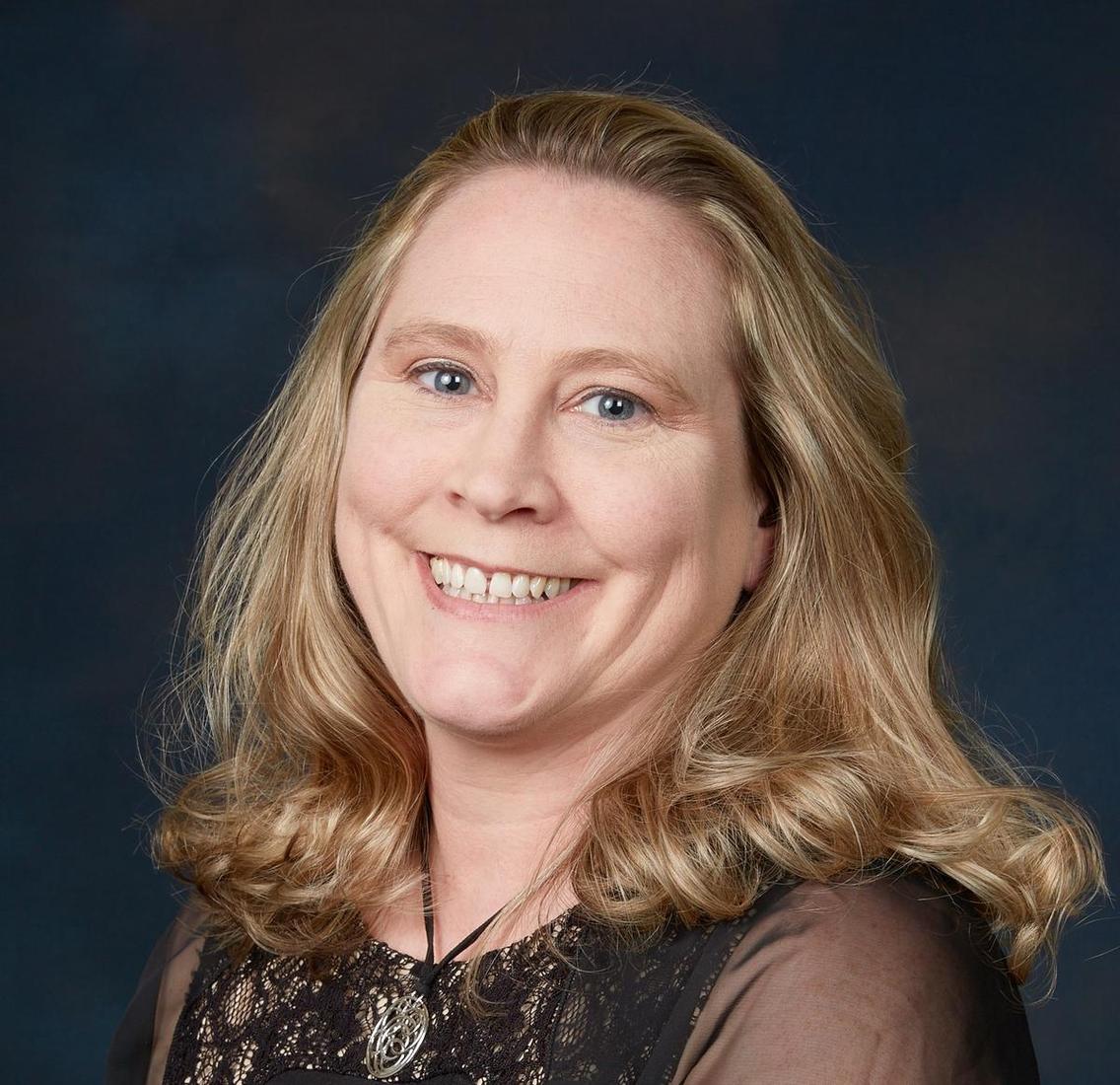
Dr. Niki Woodruff has been in the field of education for over twenty years. With experience ranging from kindergarten through college, she is a dedicated educator who focuses on empowering her students to become readers and writers with a voice. In the last 10 years, she earned her master’s in Literacy and her Doctor of Education in Literacy at Judson University. Her research interests include theories that relate to the impacts of teachers’ positionality on their instructional strategies. As an eighth-grade ELA teacher with her Reading Specialist certification, Dr. Woodruff is passionate about sustaining reading habits and motivation in middle-grade students and adolescents in part due to her two daughters. Her mission has been to collaborate with other educators and provide professional development promoting student voice and choice (SVC) in language arts thereby continuing to nurture the love of literacy and strengthen teacher-student relationships.
Footnote:
Gallagher, K., & Allington, R. L. (2009). Readicide: How schools are killing reading and what you can do about it. Stenhouse Publishers.
Search, Curate, and Order Smarter: Titlewave 101 for Public Libraries
September 4, 2026
Grid ordering, EDI, curated lists, and street date delivery – how public libraries put the free Titlewave platform to work every week.
Read more
Six Fall Releases Patrons Are Asking For
September 3, 2026
Up to 25% off if preordered during the sale period.
Read more
Getting Started with Titlewave for NYC School Libraries
September 2, 2026
Building and maintaining your ideal library collection is easier than ever with Follett Content, an approved vendor for New York City (NYC) school libraries. Yes, Titlewave® helps simplify book ordering in FAMIS, but our goal goes beyond placing orders. We...
Read more
Enter the FlutterBee Fall Book Giveaway from Follett Content!
September 1, 2026
Enter the FlutterBee Fall Book Giveaway for a chance to win one of three seasonal book bundles curated for young readers – 15 titles selected to generate excitement and increase engagement this fall.
Read more
The #BritReads26 Bookshelf – September 2026
September 1, 2026
If you follow Britten Follett on social media, you may already be tracking her #BritReads26 journey – a personal commitment to reading and sharing the books that are moving, surprising, and staying with her. Here’s her latest roundup, straight from...
Read more
5 Ways to Refresh Your School Library Collection
August 21, 2026
Before students return for a new school year, many librarians focus on weeding shelves and ordering new books. But a truly effective collection refresh starts with understanding what your data, circulation trends, and community needs are telling you.During a recent...
Read more