
BLOGS > AUGUST 29, 2023
BY LAURALEE MOSS

Are you thinking about your classroom library for back to school? I am too! Follow along as I explain my methods for organizing my classroom library and using it throughout the year.
May. It seems so long ago. Anxious and excited students and adults, ready for break. For me, I also gave finals, so I spent time prepping and reviewing with students. And I had to pick up my classroom, which I honestly worked to make tidy – but every August as I unpack boxes, well, I wonder what I was thinking in May (possibilities include a nap or my to be read pile).
Most of my boxes contain my books. My classroom library takes me the longest to unpack with good reason: books help me in every area of my classroom. My books help me to build relationships with students and enhance instruction. As I see previous students, I show them new books. With new students, I find their interests and match them with stories. To access books easily, I organize them by genre.
Over the years, I have organized my books by color (a beautiful rainbow), by author, and by genre. All of those methods have worked with their own nuances. This year, I will organize my books by genre again.
Since I’m already doing the work, I’ll walk you through my planning. As I prepare to go back to school with tons of books, here are ideas for organizing your classroom library.
I physically sort my books by genre and have labels that I adhere to the section each genre is in. My genres are also color coded, and I have a sign that explains each color. For example, mystery is black, coming-of-age books are blue. Each book in that genre has a sticker with its color, and my signs and labels reinforce the coloring.
Additionally, before I return to school I decide what genres I will showcase each month. These are not strict guidelines, and I do switch these around every year, but a schedule might look like:
I split them several ways. For instance, I might have a month of graphic novels or picture books, but when I divide my genres for the classroom library this year, I’ll put mystery graphic novels in October, romantic graphic novels in February, and so on.
I do NOT decorate a bulletin board or hang a poster for each genre. Instead, I bring stacks of the books to the shelf in front of my room, stack them on the chalkboard ledge, and place them on my desk. We interact specially with the books for that month.
One year I did not plan out how I would present books for the year. I ended up unorganized and stressed. Writing out a plan will only take about 10 minutes – do it now!
Genres overlap, new definitions exist, and various books fit into multiple genres. If you hop on a book review site, readers label the same book with multiple genres. No wonder genres can confuse students! Instead of trying to completely clear the genre situation, I explain to students that the nuances of genre is part of what makes books so wonderful.
Consider Pride and Prejudice. Romance? Bildungsroman? Readers might have opinions based on how they interpret the book, on how they relate to the theme, characters, and more. These details develop the passion readers have about books. Perhaps this discussion proves why Pride and Prejudice is a classic.
So, do not hold back on labeling your genres and discussing the overlap! Decide how you want to showcase your books. I obviously organize by genres.
Even though I work with students concerning genres, the labels and discussions are still necessary. As you advertise your books, mention the genres in which a book could fit. I’m not sure I have ever overexplained genres to students.
Weeding books involves removing books from your collection.
Some books in my classroom library are rarely or seldom read. For years, it pained me to weed these books, but then I had a conversation with my school librarian. She had piles of books recently weeded, and she offered me some. I joked that she was giving me duds, and she shrugged, explaining that different books work in different circumstances.
I took some of her weeded books – and my librarian was right. Some of her weeded books worked for bookspine poetry, which led to students reading them.
Note: Have you tried bookspine poetry? Ask students to grab books, stack them, and rearrange the titles until they create a poem. Not satisfied? Encourage students to play with different books until they build a poem they like.
Weeding books is part of having a library. It is one reason why public libraries have book sales! Some books haven’t found their audience yet.
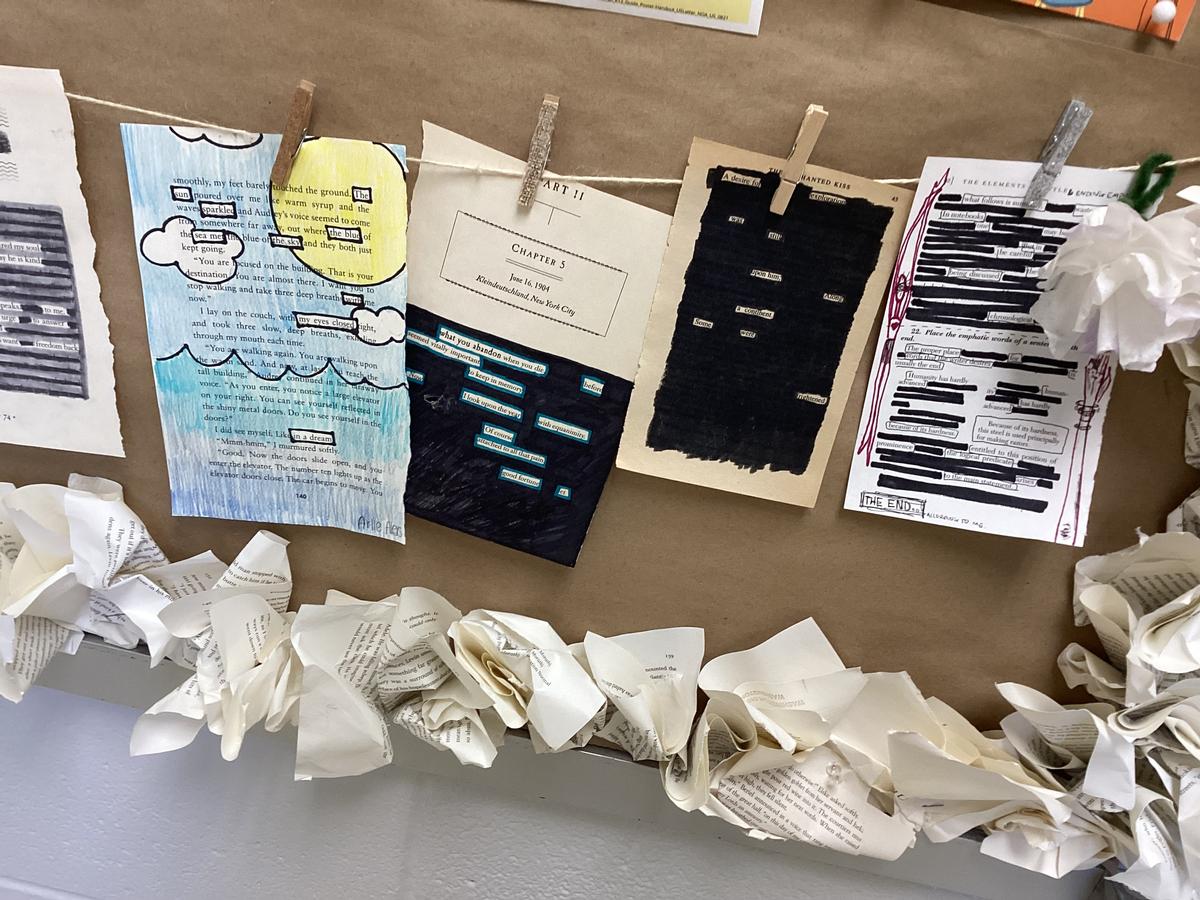
After you weed books, trade books with another teacher in your building. Students in different classes might respond to fresh topics. You can also add weeded books to free libraries or use worn ones for blackout poetry.
Note: Have you tried blackout poetry? Take some books that you will no longer use (perhaps falling apart or missing pages), and ask students to create a poem from short phrases or words on the page. They should then take a black marker and mark out the excess words. Some students even draw images symbolic of their created message!
I have a large classroom library, but I understand that not every teacher has books in their room. Here are some suggestions:
The longer you teach, the more ideas you’ll have to plan your classroom library for back-to-school season. Organizing by genre works for me, and I hope my process inspires you.
Follett has the resources and expertise to help you create the classroom library of your dreams. Discover our tailored services for educators, featuring curated book selections, barcoding and labeling, kitting, and much more. Get started now:
LAURALEE MOSS
English Teacher
Lauralee Moss is a high school English teacher in Central Illinois. She shares her teaching experience at LanguageArtsClassroom.com and on Instagram @lauralee_moss.
tonies + Book Bundles for Libraries: Play, Print, and Early Literacy
October 22, 2026
How do you get a three-year-old excited about books when a screen is always within reach? Pair the stories kids already love with the print books that tell them.
Read more
Book Picks for Fall: The Two Bs' Top 15 (Plus a Few Bonus Books)
October 22, 2026
Laurie Bolt and Claire Bremner, Follett Content sales consultants and former school librarians in Virginia, read stacks of new releases every season and text each other about the ones they can't put down. In this blog post, they shared their...
Read more
An Author Interview with Doreen Cronin
October 22, 2026
Follett Content caught up with author Doreen Cronin to talk about her new book, her beloved characters, and how she finally found the nerve to drive through a car wash.
Read more
October 22, 2026
Introducing a new blog series from teacher librarian, international speaker, consultant and author Shannon McClintock Miller.
Read more
Library Spaces That Work for Every Student: Ideas from Shannon McClintock Miller
October 22, 2026
This fall, district teacher librarian Shannon McClintock Miller opened a brand-new library and walked us through how she designed it, and shared low-cost ideas that work in any space, new or not.
Read more
How Public Libraries Can Inspire a New Generation of Readers
October 21, 2026
Public libraries have always played an important role in helping people discover books, ideas, and new perspectives. Today, that role is more important than ever.As children and teens face increasing competition for their attention from social media, streaming content, gaming,...
Read more