
BLOGS > MAY 1, 2019
BY LORIE BARBER
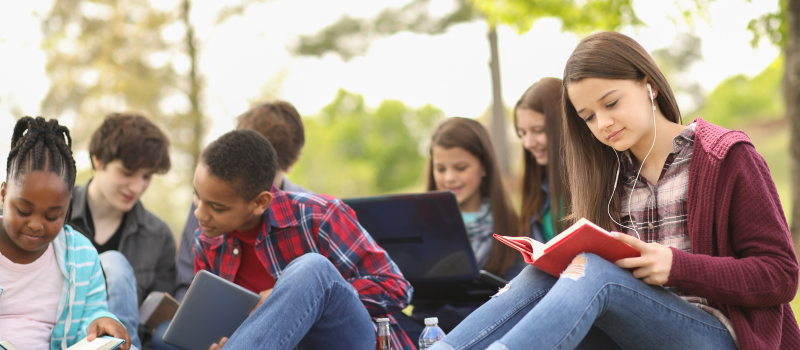
One of my goals was to use #classroombookaday (CBAD) as a support for nonfiction reading and writing. We do a Civil War/slavery-focused informational unit every year, as social studies becomes integrated with our literacy workshop. Last year, I front-loaded and supported students' understanding of the causes and events in the Civil War through picture books during CBAD. My plan was the same this year.
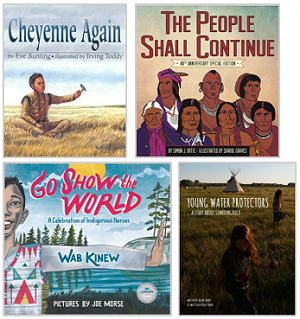
And then, of course, I learned more. I pledged to do better because I knew more, and my picture books became geared more toward helping my students see another perspective. Because my kids had learned about our country’s expansion westward in fourth grade, I wanted to revisit, this time from the perspective of the Indigenous People and Native tribes already on the land. I decided that the best way to do this was through picture books, so I went to my favorite resource, Dr. Debbie Reese’s (@debreese on Twitter) site.
Three out of the four CBAD picture books (starred below) we read for our expansion of Westward Expansion came from her site. It is a goldmine of information and resources on Native heritage, customs, writers and so much more. Presenting these books and analyzing them helped shift my students’ understanding of westward expansion, and decentered the narrative of America’s “sea to shining sea” to include those who lost so much.
Native perspective of Westward expansion
This shift worked so well that I thought we might try it for the Civil War. In addition to front-loading vocabulary and providing context for their research, the books I chose to read for CBAD leading up to and during our Civil War units changed. Rather than just getting my hands on every Civil War picture book I could find, I was more selective.
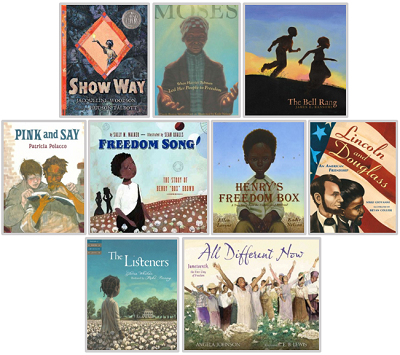
Galvanized by Novelist Chimamanda Ngozi Adichie’s Ted Talk, “The Danger of a Single Story,” I set out to help my students understand enslaved African Americans as more than just that. We dove into picture books about enslaved people who fought for their freedom in so many different ways, and my students no longer saw them as even slightly passive in their existence.
I hoped to change the narrative so the kids could see enslaved men, women, and children as brave, strong, intelligent fighters who gave more than I have words for to this country that treated them horribly. My students now see families, friendships and communities blossoming within the struggle of slavery. Some CBAD books that guided our work are listed below.
African American-focused perspective on slavery and the Civil War:
For both of these units, I paid attention to who wrote these books. I am learning that it’s important to lift up the voices of marginalized groups, including Native and African Americans. One way of doing that is to choose books written by and/or illustrated by authors and artists of color. While not all of my selections were written or drawn by a person of color, the vast majority of them are, and they are SO WORTH checking out!
Yes, it’s May. We have less than a month left of school. Yet, the choices and the time we put into CBAD each and every day are leaving indelible marks upon my students, helping them to know more and do better throughout their lives. And we’ll keep working on it until they walk out of the building for the last time.
LORIE BARBER
Fifth Grade Teacher, Lisle IL
Lorie Barber is a fifth grade elementary educator who highlights cultural identity, empathy, and compassion in her classroom. Lorie has been an educator for nine years, the last six of which have been with her fifth grade students in Lisle, IL. Lorie’s main goal is always to help her students cultivate a lifelong love of reading. This is her second year implementing Jillian Heise’s #classroombookaday after experiencing an overwhelmingly positive response from her students the previous year. Lorie is a voracious reader, a proud member of #bookexpedition, and has blogged for Nerdy Book Club. She tweets from @barberchicago and writes at http://themagicofreflection.blogspot.com.

See #classroombookaday blogs on Follett Community listed below to see all of the articles written by our contributing classroom teachers.
Follow Follett Learning's Pinterest board for great resources on the titles featured.

To view the full #classroombookaday book list on Titlewave, click here.
Stock Your Shelves with the Best Fall Books for Classrooms and Libraries
October 1, 2026
Enter the FlutterBee Fall Book Giveaway for a chance to win one of three seasonal book bundles curated for young readers – 15 titles selected to generate excitement and increase engagement this fall.
Read more
PreK-2: A Foundational Skills Checklist for Teachers and Administrators
September 30, 2026
The skills that decide whether a student reads on grade level in third grade get built long before third grade. Here’s what to look for across PreK, Kindergarten, and Grades 1-2 – and what it takes to build the classroom...
Read more
Building a Multilingual School Library Collection in NYC
September 24, 2026
New York City Public Schools bring together a wide range of languages, cultures, and experiences thanks to the diverse communities they serve. A multilingual collection reflects that diversity, gives students opportunities to learn in the languages they know best, and...
Read more
Search, Curate, and Order Smarter: Titlewave 101 for Public Libraries
September 4, 2026
Grid ordering, EDI, curated lists, and street date delivery – how public libraries put the free Titlewave platform to work every week.
Read more
Six Fall Releases Patrons Are Asking For
September 3, 2026
Up to 25% off if preordered during the sale period.
Read more
Getting Started with Titlewave for NYC School Libraries
September 2, 2026
Building and maintaining your ideal library collection is easier than ever with Follett Content, an approved vendor for New York City (NYC) school libraries. Yes, Titlewave® helps simplify book ordering in FAMIS, but our goal goes beyond placing orders. We...
Read more