
BLOGS > DECEMBER 17, 2020
BY JULIA E. TORRES AND JILLIAN HEISE
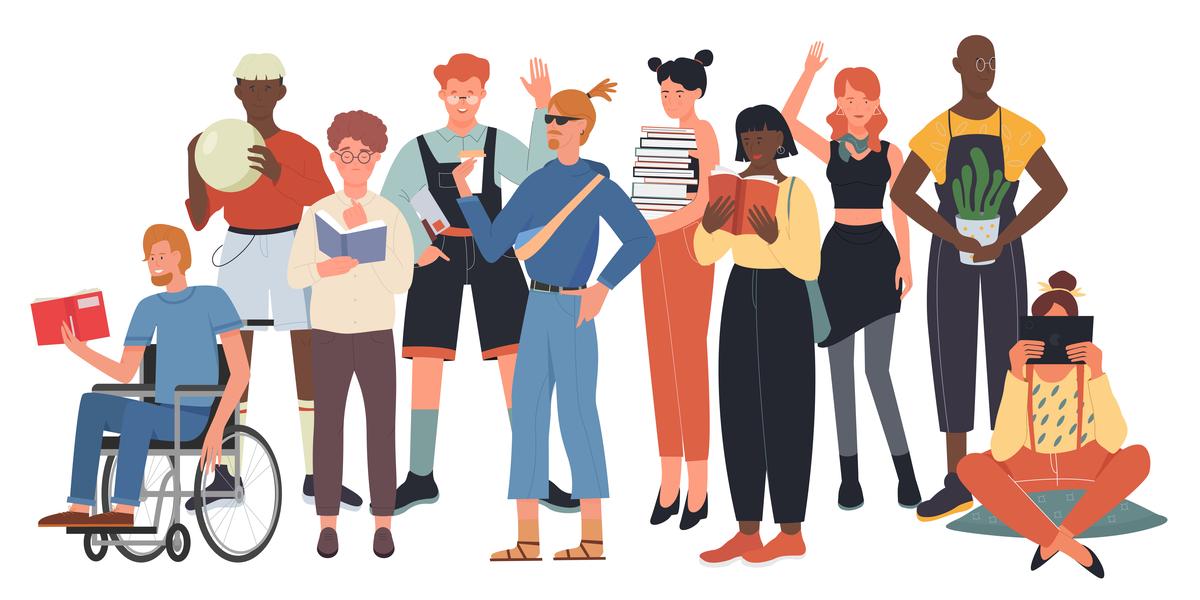
It is a moral imperative of our work with children that we ensure all children can be affirmed and seen in the books that we read to them. These are what Dr. Rudine Sims Bishop calls “mirrors.”
“The decisions we make about which texts to include in our classroom communities must serve a purpose of supporting all students and all of our society.”
It is also a moral imperative of the work we do with children to ensure that they are able to see others who are not like themselves and understand their place within the larger global society in which we live. This is what Dr. Rudine Sims Bishop calls “windows.”
Curating inclusive collections and making decisions on what books to include and exclude must take into consideration these two moral imperatives of our work as educators. It also must be recognized as a keystone of our obligation as educators to first do no harm. So, the decisions we make about which texts to include in our classroom communities must serve a purpose of supporting all students and all of our society.
Children deserve to be seen and recognized for their full humanity, and they deserve to have their lived experiences affirmed on the pages of the books that we purchase, promote, highlight, recommend, read aloud, put into curriculum and share with them. This is the beauty and honor, and obligation, of the work that we do with young people. Using books to build community also strengthens our relationships with one another, enables student to empathize and provides them with the tools they will need to thrive in a rapidly changing and expanding world.
One of the first steps to curating inclusive collections is to ensure that we move beyond the mindset that says having a diverse book collection is enough. In order to offer stories with a wide range of linguistic, cultural and ethnic representation to students, educators must learn about what makes some texts true and authentic representations of cultures outside their own.
"An important part of this work requires that all educators continually work to develop a critical consciousness to ensure we are providing not just representation, but representation that is free of problematic elements that perpetuate negative stereotypes."
It is still true that many books are published that misrepresent or portray historically marginalized or erased identities and lived realities, which can do harm, reversing the goal of building an inclusive collection. Hence the importance of planning and purchasing with an anti-biased and actively inclusive mindset to ensure we actively promote books that affirm all identities. The best way to do this is to become knowledgeable about authors, publishers and book distributors that specialize in promoting #OwnVoices stories.
An important part of this work requires that all educators continually work to develop a critical consciousness to ensure we are providing not just representation, but representation that is free of problematic elements that perpetuate negative stereotypes. We must continuously and actively work to become aware of erasure and marginalization in young people’s literature, and the harm that it causes both to those whose stories are erased and those who see their own lived realities and identities overrepresented, continuously centered or glorified.
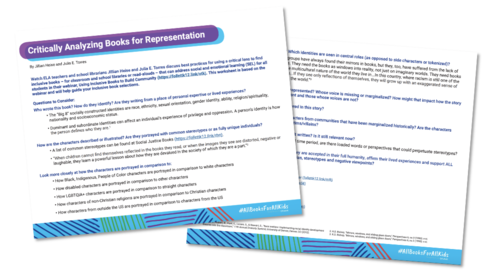
Some of our go-to resources to support us in these efforts:
In our webinar, we talked about approaching educational communities by asking questions, building connections and being intentional in our text selections. We hope these resources, and what we shared in the webinar, will support your efforts to provide a welcoming and affirming space for all of your students in your classroom and school communities.
There is no one way to approach the work of curating inclusive collections, but we hope to provide you with some steps that will make the work more approachable in your community.
Perhaps one of the most important things to remember is that educators should work together with students and parents to have conversations about topics like censorship and erasure so that we can all grow together as we strive to create a more healing and inclusive approach to the educational experience.
Julia E. Torres
ELA Teacher and Grades 6-12 Librarian
Denver Public Schools
JULIA E. TORRES is a veteran language arts teacher and librarian within the Far Northeast Region of Denver Public Schools. As a teacher/activist committed to education as a practice of freedom, her practice is grounded in the work of empowering students to use literacy to fuel resistance and positive social transformation. In cooperation with The Educator Collaborative, Julia facilitates workshops and professional conversations about anti-bias/anti-racist education, social justice and culturally sustaining pedogogies in Language Arts, as well as digital literacy and librarianship. Her work has been featured in several publications, including NCTE's Council Chronicle, NPR, Al Jazeera's The Stream, PBS Education, KQED MindShift, the New York Times Learning Network, The Chicago Tribune, ASCD's Education Update, School Library Journal and many more.
Jillian Heise, NBCT
Grade K-5 Library Media Teacher
Heise Reads & Recommends
JILLIAN HEISE, NBCT & MLIS, is currently a K-5 Library Media Teacher in southeastern Wisconsin. She previously taught seventh and eighth grade ELA in the Milwaukee area for eleven years. Jillian is the founder of #classroombookaday and dedicated to supporting all student identities and lived experiences through access to inclusive literature. She brings her literacy expertise and knowledge of kid lit to her role as Chair of the WSRA Children’s Literature Committee.
Introducing Follett List Notifications
October 16, 2026
Curated book lists for public library selectors – delivered to Titlewave, free, and reviewed by you before anything is ordered.
Read more
Shelf-Ready Services for Public Libraries: 5 Takeaways from Our Webinar
October 16, 2026
During our Shelf-Ready Services webinar, Trisha Vreeman, Custom Library Services Director, and Corrine Lagacy, Professional Services Manager, showed public library staff how shelf-ready services shorten the trip from delivery truck to shelf. Here's what they covered.
Read more
New Books for Librarians: 30+ Standout Titles from Four Publishers
October 16, 2026
Reader requests pile up, budgets stay tight, and new releases arrive faster than anyone can read them all. So, we brought four publishers together to do the sorting for you.In one hour, HarperCollins, W. W. Norton & Company, Candlewick Press...
Read more
A Modern Classic: Building the Public Library Partnership for What Comes Next
October 12, 2026
Last month, Emily Henry announced the title of her next novel: Modern Classic, due out in April 2027. As a reader, I can already imagine the holds lists! But the title caught my attention for another reason: it’s a fitting...
Read more
Why Students Stop Reading for Pleasure and What Schools Can Do About It
October 7, 2026
Most children enter school eager to explore stories, characters, and new ideas through books. Yet as students get older, many begin reading less frequently for enjoyment.According to data from the National Assessment of Educational Progress (NAEP), the percentage of 13-year-olds...
Read more
October 2, 2026
Sometimes, a community exceeds every expectation.When Follett Content began planning its 2026 book sales, the goal was ambitious: Raise $15,000 to support United Way of Greater McHenry County’s Dolly Parton’s Imagination Library Program. By the end of the fundraising effort, that...
Read more